Plots in Albacete - buy, sell or rent easily

Find plots by category in Albacete (Province)


Plots for sale with most wanted features
- Urban 12
- Developable 9
- Non developable 22


Latest publications of land and houses for sale in Albacete (Province)
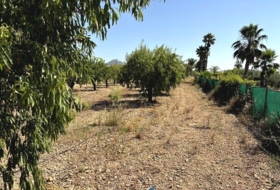
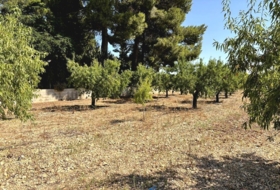
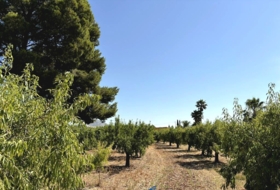
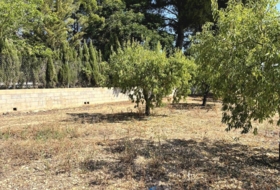
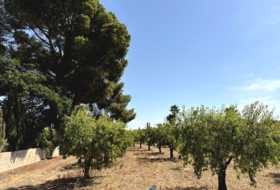
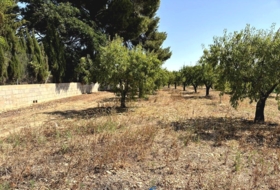
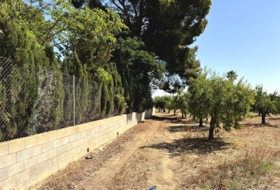
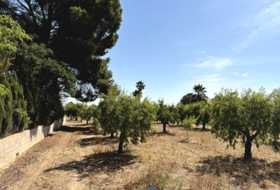
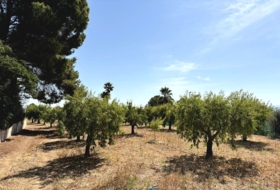
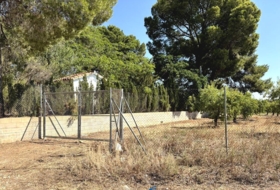


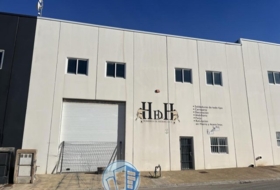
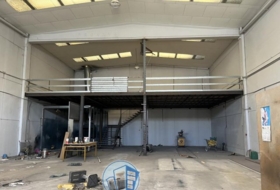
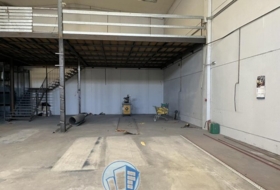
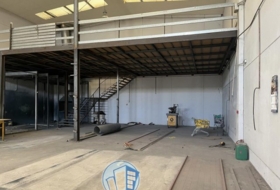

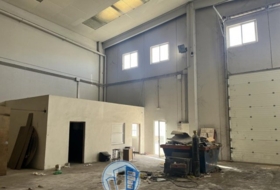
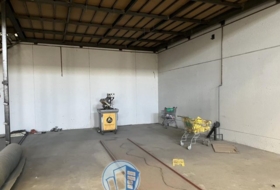


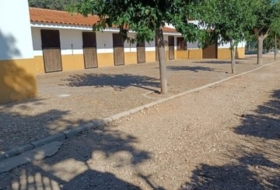
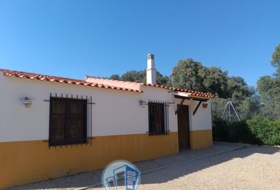
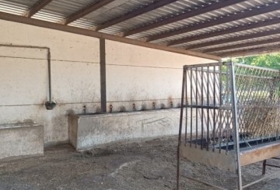


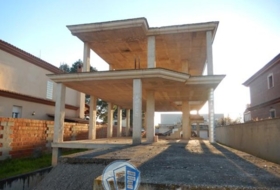
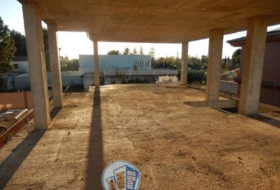
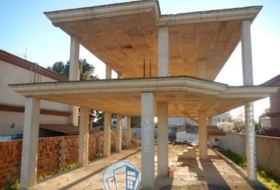
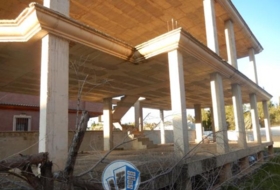
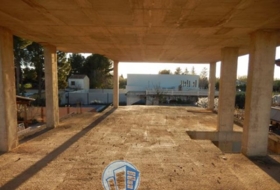
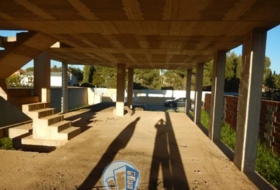
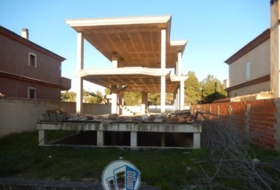
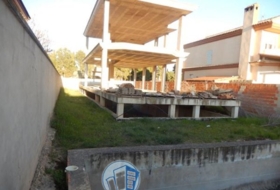
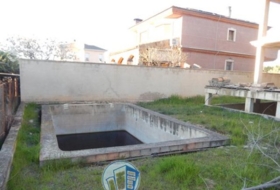
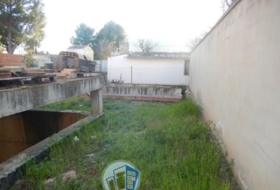
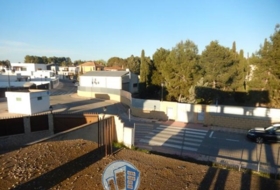
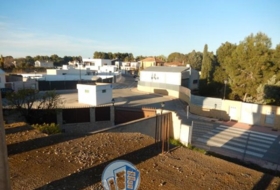

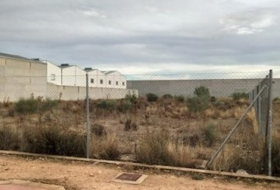
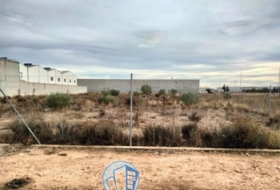
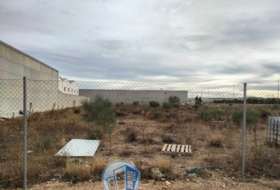
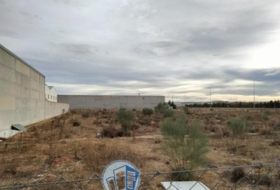
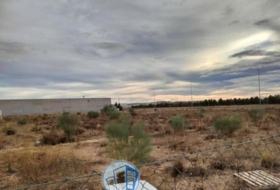
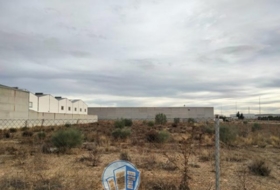
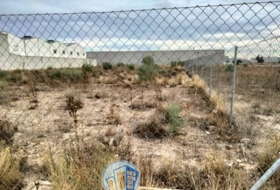
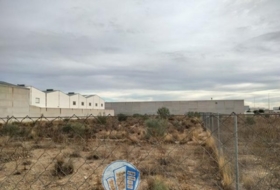
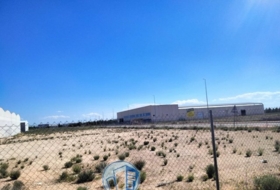
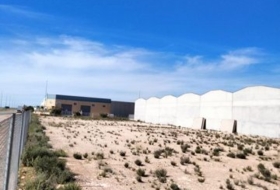
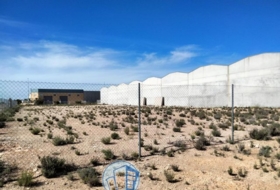
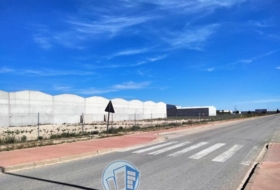
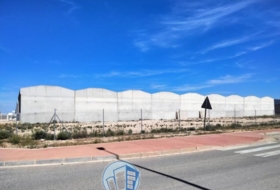
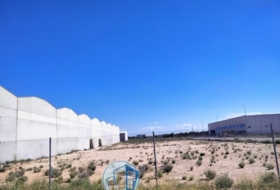
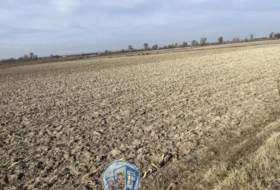
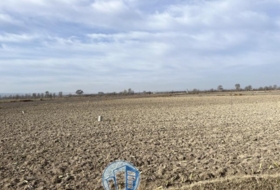
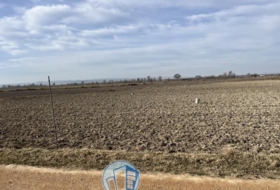
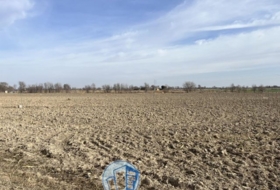
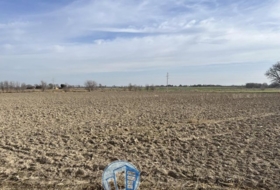
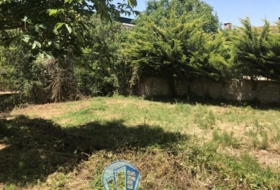
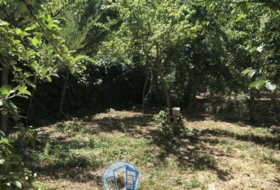
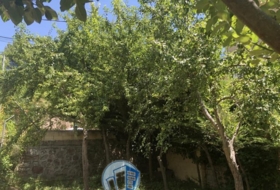
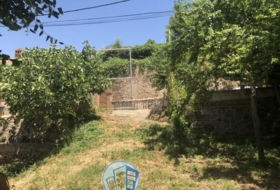
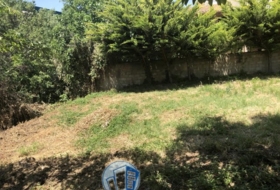
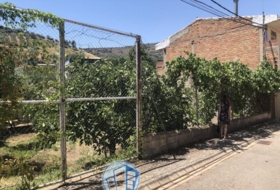
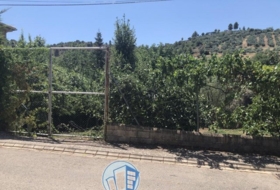
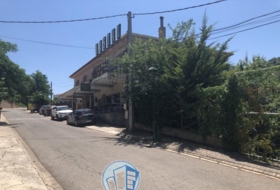
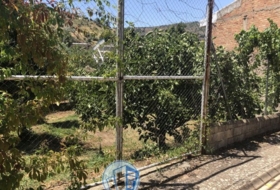


Where to buy land in Albacete
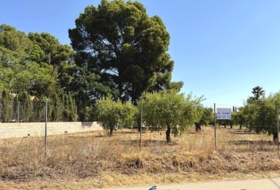
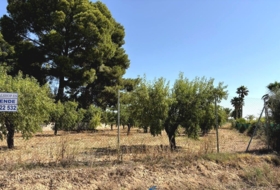
The average value of urban land in the province exceeds €90/m², one of the lowest in the entire autonomous community. The areas with the cheapest urban land for sale in Albacete are Villarrobledo, Caudete, and Alpera. Meanwhile, the most expensive urban plots are found in the capital itself, La Roda, Caudete and Almansa, with values between €500/m² and €1,100/m². This is because they are the largest localities, which, consequently, group the largest volume of population. The situation of building plots for sale is like urban ones, as they are concentrated in these larger towns.
In general terms, the cheapest land for sale in Albacete is in Villarrobledo with a minimum value of €0.10/m², Albatana and Alpera with €0.80/m². These prices are due especially to a large amount of undeveloped land for sale available in the province.
Attractive and reduced land value
The province of Albacete is in the southeast of the autonomous community of Castilla-La Mancha. It has an area that exceeds 1,400,000 hectares, which represents almost 3% of the national territory. The climate is characterized by its cold winters and arid summers, which conditions the exploitation of the land in the province. Investment in rustic farms predominates in the region, destined for agricultural development. And it is that the depth of the soil and the climate, favour the exploitation of the territory.
The territory of agricultural tradition
The plain comprises practically the entire province of Albacete, where the most mountainous areas are in the south, with peaks that exceed 2,000m in height. This geographical contrast generates microclimates, in which the highest temperatures are recorded in the higher altitude places and the arid summers in the extensive plains.
The non-developable territory has an area that exceeds 1,000,000 hectares, where agricultural estates cover more than 50%. And it is that the wide plains have permeable and deep land, which favours the development of agricultural activity. The primary sector has historically stood out in the province, especially rainfed agriculture and cattle breeding. For this reason, the predominant products are cereals, vines and olive trees, as well as cattle and their dairy products.
The forest area occupies more than 300,000 hectares, which represents more than 20% of the region. It is divided into timber mount, woody mount, and open mount, respectively. Meadows and pastures have an extension that represents almost 9% of the total territory of the province.
Industry and population concentrated in the largest municipalities
The urban area occupies more than 15,000 hectares, between consolidated and unconsolidated urban land. For its part, the developable plots cover more than 10,000 hectares, divided into sectorized and non-sectorized developable plots. The largest areas are concentrated in the municipalities of Albacete, Villarrobledo and Hellín. These towns are also the ones that gather most of the industrial and residential territory in the province.
It is one of the most populated provinces of Castilla-La Mancha. However, its population density is very low, due to the marked rural character and the large size of its territory.
In industry, the most prominent sectors are food, chemicals, and footwear. In recent years, the aeronautical industry, and renewable energies, especially wind power, have grown. Special mention requires the traditional and famous cutlery from Albacete. Thanks to its privileged location, it is the nexus of many Spanish cities. Therefore, it has one of the most developed land communications networks in Spain.
Albacete, development, and opportunities in equal parts
The province of Albacete stands out for presenting one of the lowest urban, developable, and non-developable land values in Castilla-La Mancha. Rustic land predominates in its territory, especially that destined for the agricultural sector. Dairy production is also particularly relevant, making the food sector one of the most important in the autonomous community. It is also worth mentioning its privileged location, which allows it to be adjacent to a large part of the Spanish GDP.